
Business
Depressing, but true: If you want to get ahead at work, embrace virtue signaling
By Katherine Langford
Advertisement · Why this ad?
Katherine oversees editorial operations across all six brands. Before joining The Meridan Group, she spent 14 years at the Minneapolis Star Tribune, where she led the metro desk through its digital transformation. She holds a Master's in Journalism from Northwestern's Medill School.
More from Katherine →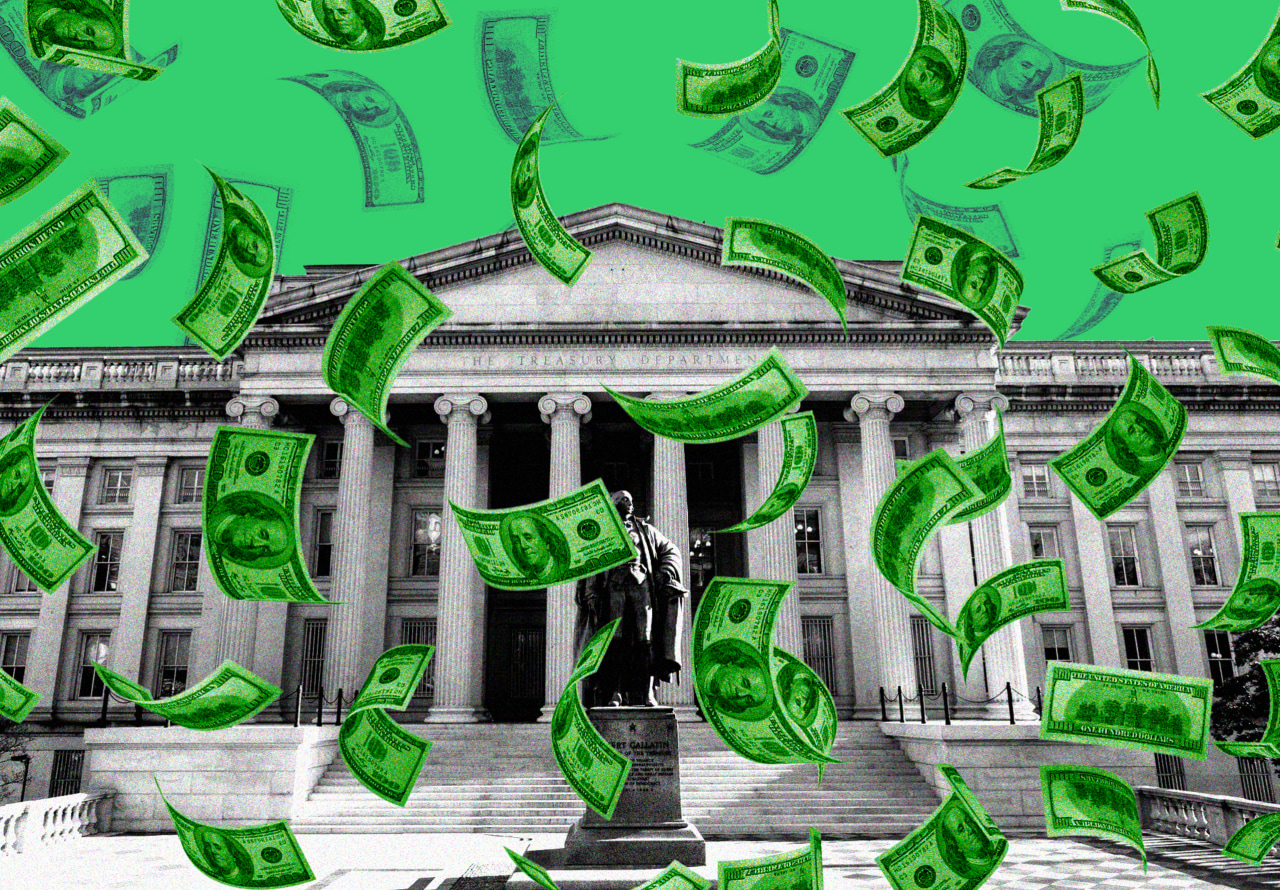
As the sun rises over Wall Street, a sense of uncertainty hangs in the air. Traders and economists alike are grappling with the implications of the U.S. Treasury's recent announcement regarding potential changes in how the nation finances its growing debt. The Treasury has indicated that it is considering adjustments to its borrowing strategies as the national debt continues to climb, currently exceeding $31 trillion. This pivotal moment could reshape the economic landscape for families and businesses across the nation.
In a recent briefing, Treasury Secretary Janet Yellen outlined the challenges posed by the increasing national debt and the need for a strategic review of financing methods. The Treasury is exploring options that could include altering the mix of short-term and long-term debt instruments, which may impact interest rates and the overall economy. As of now, the U.S. government predominantly relies on Treasury bonds, notes, and bills to fund its operations and manage its obligations.
The potential changes come at a time when the national debt is a pressing concern for policymakers. With interest payments consuming a larger portion of the federal budget, the administration is under pressure to find more sustainable financing solutions. Yellen emphasized that the objective is to ensure that the U.S. continues to meet its financial commitments without compromising economic stability.
For the average American family, the implications of these changes could be far-reaching. A shift in the Treasury's borrowing strategy may affect mortgage rates, student loans, and other forms of credit. If the government opts to issue more long-term debt, it could lead to lower interest rates in the short term but potentially higher rates in the long run as the market adjusts.
Moreover, financial markets are likely to react to any announcements regarding changes in debt financing. A sudden increase in borrowing costs could tighten credit conditions, making it more expensive for families to finance major purchases. This situation could hinder consumer spending, which is a vital component of economic growth.
Local business owners in New York City are particularly attuned to these developments. Many rely on stable interest rates to plan their investments and manage cash flow. Sarah Thompson, owner of a small bakery in Brooklyn, shared her concerns: "If borrowing becomes more expensive, it will impact my ability to expand and hire more staff. We want to grow, but we need a stable economic environment to do so."
Similarly, families are keeping a close watch on potential changes. John and Maria Rodriguez, who are saving for their children's college education, expressed their worries about how rising interest rates might affect their savings plans. "We’re just trying to do our best for our kids, and the last thing we need is for our savings to be eroded by high borrowing costs," John stated.
The impact of these changes is not just theoretical. In neighborhoods across the five boroughs, the fear of rising interest rates is palpable. For instance, in the Bronx, where many families are already living paycheck to paycheck, the potential for increased costs on loans could mean the difference between affording a home or being forced to rent indefinitely. Local community organizations, such as the Bronx Community Development Initiative, are preparing to offer workshops on financial literacy to help residents navigate these uncertain waters.
The Treasury's review of its financing strategies is expected to unfold over the next several quarters. This period will be crucial for stakeholders to assess the impact of any proposed changes. The administration is likely to engage with economists, financial experts, and community leaders to gather insights and feedback on the best path forward.
As the Treasury weighs its options, it will also need to consider the broader economic context, including inflation rates and global market conditions. The interplay of these factors will be essential in determining the optimal approach to managing the national debt while fostering economic growth.
Moreover, the Treasury's decisions will have implications beyond the immediate financial landscape. For instance, if borrowing costs rise, it could lead to a slowdown in infrastructure projects that rely on federal funding. This is particularly relevant in New York City, where public transportation upgrades and affordable housing projects are already under strain from budget constraints. Local officials, such as City Council member Vanessa Gibson, have expressed concerns about how these changes could hinder the city’s ability to address pressing needs.
In light of these developments, it is important for families and local businesses to stay informed about economic changes and potential impacts on their financial situations. The U.S. Treasury provides resources that can help individuals understand the implications of national debt and borrowing. The U.S. Department of the Treasury offers a wealth of information on its website, including updates on debt management strategies and educational resources.
Additionally, local chambers of commerce, such as the New York City Chamber of Commerce, can serve as valuable resources for businesses seeking guidance on navigating economic changes. They often host workshops and provide materials that can help entrepreneurs prepare for fluctuations in the economic landscape.
Community organizations are also stepping up to provide support. For example, the New York City Financial Empowerment Centers offer free one-on-one financial counseling to help residents understand their options and make informed decisions about loans and credit. These resources are vital in a city where many residents face financial insecurity.
The U.S. Treasury's contemplation of changes in debt financing is a significant moment for the nation. As families and businesses brace for potential shifts in the economy, it is crucial to remain vigilant and proactive. The decisions made in the coming months will not only impact the financial health of the government but also the livelihoods of everyday Americans.
In the face of uncertainty, the resilience of American families and communities shines through. By staying informed and engaged, citizens can navigate these changes and continue to pursue the American dream of stability and prosperity. The stakes are high, and the collective voice of the public will play a crucial role in shaping the dialogue around these important fiscal policies.
By Katherine Langford

By Marcus Chen

By Katherine Langford

By Katherine Langford