
Technology
Here's Why You Shouldn't Use AI to Vote
By Marcus Chen
Advertisement · Why this ad?
Katherine oversees editorial operations across all six brands. Before joining The Meridan Group, she spent 14 years at the Minneapolis Star Tribune, where she led the metro desk through its digital transformation. She holds a Master's in Journalism from Northwestern's Medill School.
More from Katherine →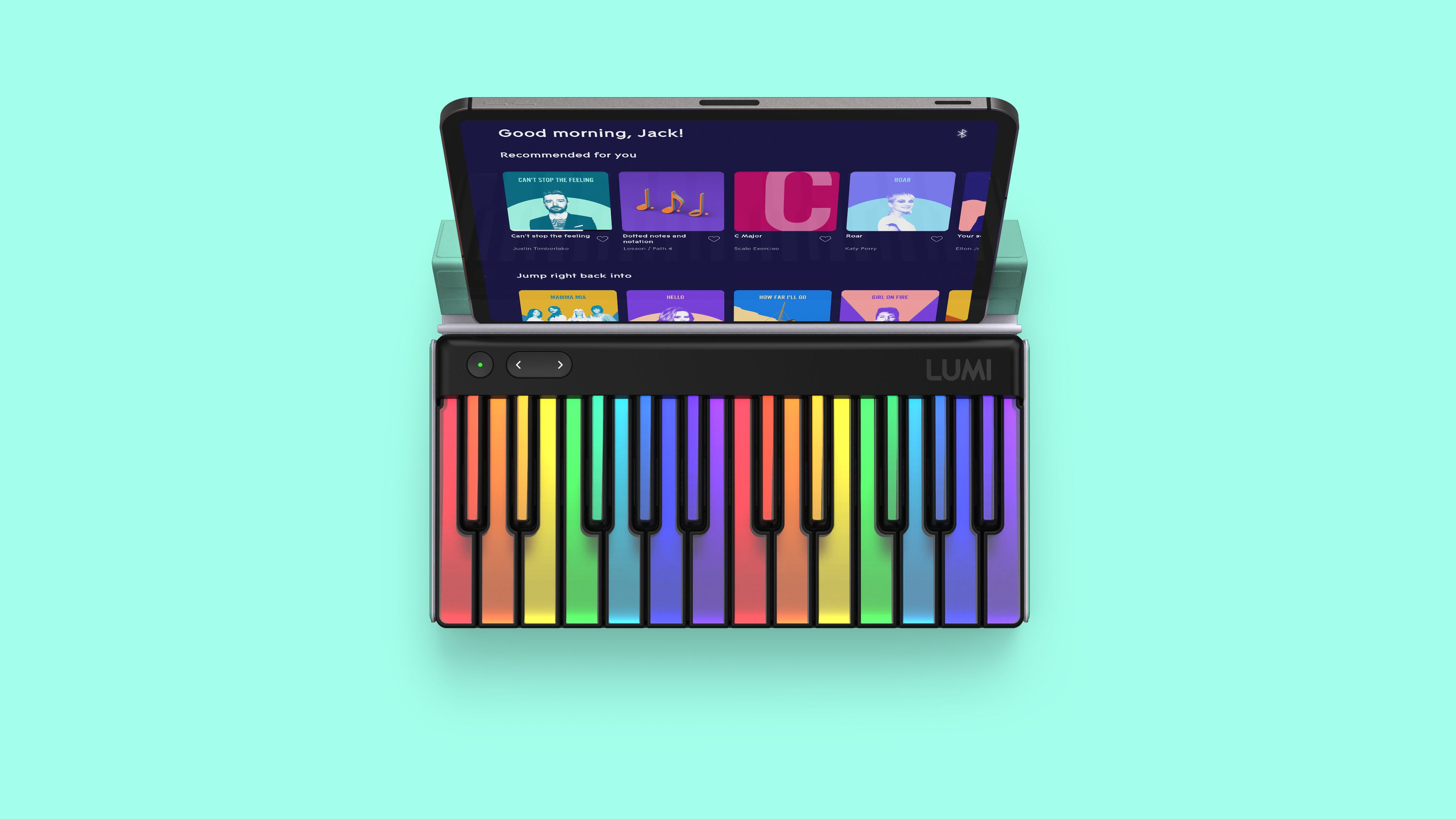
In the heart of New York City, where the rhythm of life pulses through every street corner, musicians are grappling with an unexpected silence. Roli, the innovative instrument maker known for its groundbreaking music technology, has recently declared insolvency, leaving a community of dedicated users and eager customers in disarray. For many, the company was not just a brand but a beacon of creativity and possibility, a source of inspiration that transformed the way they engaged with music.
Founded in 2013, Roli quickly made a name for itself with its flagship product, the Seaboard, a soft, touch-responsive keyboard that allowed musicians to express themselves in ways traditional instruments could not. The company's vision was ambitious: to revolutionize music creation through technology that was as accessible as it was innovative. However, despite the initial excitement and significant investment, including a $50 million funding round in 2017, Roli's financial struggles became apparent in recent months.
In October 2023, Roli announced its insolvency, shocking its customer base and industry observers alike. The company cited a combination of market challenges and operational missteps as contributing factors to its downfall. As a result, customers who had pre-ordered products or invested in Roli's ecosystem found themselves without recourse, left holding the bag as the company ceased operations.
The ramifications of Roli's collapse extend far beyond financial losses. For many musicians, Roli's products were integral to their creative processes. Artists like Artists using Roli and Artists using Roli embraced Roli's technology, incorporating it into their performances and compositions. The sudden unavailability of support and updates has left many scrambling to maintain their gear, with some reporting diminished functionality as software updates stall.
For users who relied on Roli's software, the situation is particularly dire. The company's flagship software, Roli's software offerings, was designed to work seamlessly with its hardware. Now, as updates cease, users are left with a platform that may soon become obsolete. This uncertainty has led to a wave of frustration and disappointment, as musicians express their concerns about the future of their creative tools.
Among the affected musicians is local composer Jasmine Lee, who had invested heavily in Roli's ecosystem to create her latest album. “It feels like a betrayal,” she shared. “I believed in their vision and poured my heart into using their products. Now, I’m left with a half-finished project and no way to support it.” Jasmine is not alone; many users have turned to social media to share their stories, revealing a tapestry of creativity stifled by Roli’s downfall.
Another musician, Marcus Chen, a frequent performer at local venues, expressed his frustration: “I used the Seaboard for every gig. It was my signature sound. Without it, I’m not sure how I’ll perform moving forward.” Marcus, like many others, is now contemplating whether to invest in alternative instruments or to seek out used Roli products in the hopes of keeping his performances alive.
The music community has reacted with a mixture of disbelief and anger. Forums and social media platforms are flooded with discussions about Roli's abrupt exit. Many users are sharing their experiences, detailing the emotional and financial toll of the company's collapse. Some have banded together to seek legal recourse, hoping to reclaim lost funds or at least receive some form of compensation for their investments.
Local music shops in New York City have also felt the impact. With Roli's products no longer available, retailers are reevaluating their inventory and seeking alternatives to fill the gap. This situation highlights the interconnectedness of the music industry, where the failure of one company can ripple through the entire ecosystem. Alex Rivera, owner of a prominent music store in Brooklyn, noted, “Roli was a game-changer for many of our customers. We’re now looking at other brands, but it’s hard to find something that matches their innovation.”
As the dust settles, many are left wondering what the future holds for Roli's technology and their investments. While some users are exploring third-party solutions to keep their devices operational, the lack of official support presents significant challenges. The community is now looking toward open-source alternatives and other innovative music technologies that can fill the void left by Roli.
Additionally, industry experts are urging musicians to remain vigilant and adaptable. The landscape of music technology is ever-evolving, and while Roli's departure is a setback, it also opens the door for new players to emerge. Companies that prioritize customer support and community engagement may find an opportunity to capture the market that Roli once occupied.
In the wake of Roli’s insolvency, musicians are beginning to explore various alternatives. Some are turning to established brands like Yamaha and Korg, which offer traditional instruments with modern features. Others are investigating emerging startups that promise to bring fresh innovations to the market. Online forums have become hubs of discussion, where users share their findings and recommendations for new tools that can replicate the unique capabilities of Roli’s products.
Roli's story serves as a cautionary tale for startups in the tech and music industries. The initial promise of innovation must be matched by sustainable business practices and a commitment to customer satisfaction. As new companies rise to take Roli's place, they would do well to heed these lessons and ensure that they build strong relationships with their user base.
Moreover, the importance of community cannot be overstated. Musicians thrive in collaborative environments, and the support of a robust community can make all the difference in navigating challenges. As Roli's users band together to support one another, they are reminded of the strength that comes from shared experiences and mutual encouragement.
While Roli's collapse marks a significant loss for the music community, it also presents an opportunity for reflection and growth. As musicians adapt to the changing landscape, they are encouraged to explore new technologies and platforms that align with their creative visions. This moment serves as a reminder of the resilience and innovation that define the music industry.
As we look ahead, it is essential for musicians to remain engaged and proactive in seeking solutions. Whether through community efforts, exploring alternative products, or advocating for better business practices, the spirit of creativity and collaboration will endure. The music community in New York City, and beyond, will continue to thrive as artists unite in their passion for music and their commitment to supporting one another.
By Marcus Chen

By Marcus Chen

By Katherine Langford

By Marcus Chen